
What customers tell you after purchase is often more valuable than what they do before it
Your analytics can tell you where customers came from, which pages they visited, what they added to their cart, and what they ultimately purchased.
What it can’t tell you is why they bought it.
You can’t see what earned a customer’s trust, what nearly stopped them from checking out, or which competitors they seriously considered. Those decisions rarely appear in behavioral data, yet they often determine whether someone becomes a customer.
Post-purchase surveys fill those gaps.
They capture the context behind the purchase, revealing why customers chose your brand, what concerns they overcame, and which experiences influenced their decision. Over time, those insights uncover patterns you can use to improve acquisition, customer experience, retention, and advocacy.
They also help answer another important question: Which customers are most likely to recommend your brand?
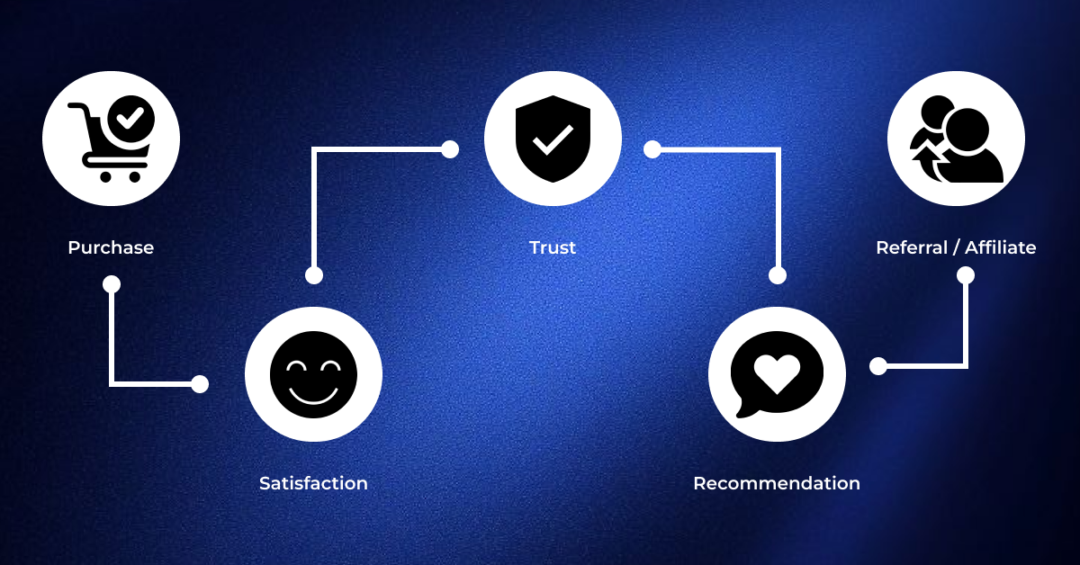
Customers who explain why they trust your brand, describe the value they received, or voluntarily express enthusiasm about their experience are often your strongest candidates for referral and affiliate programs. Identifying those customers early allows you to build advocacy programs around people who already believe in what you sell, rather than asking every customer to become an advocate.
In this article, you’ll learn how to use post-purchase feedback to identify advocacy signals, uncover your most valuable customers, and turn those insights into a repeatable customer-led growth strategy.
The most valuable customer insights often show up after the purchase
Your analytics show what customers did. Post-purchase feedback explains why they did it.
A customer may have discovered you through Instagram, compared you against three competitors, hesitated over shipping costs, and only converted after reading reviews. None of that context appears in your analytics, yet it often determines whether someone buys.
That’s what post-purchase surveys uncover.
The right questions reveal what built trust, which objections customers had to overcome, what alternatives they considered, and what ultimately convinced them to place an order. Over time, those responses uncover patterns that help you improve messaging, customer experience, acquisition, and retention.
A few post-purchase questions that uncover the strongest signals:
- What almost stopped you from buying?
- Which brands were you considering?
- What ultimately convinced you to place your order?
- Why would you recommend us to someone else?
The answers influence far more than customer experience. They reveal which buying objections deserve more attention, which messages resonate during the purchase journey, and which experiences customers naturally talk about after the sale.
As similar responses appear across hundreds of surveys, you gain a clearer understanding of what consistently earns trust and what motivates customers to recommend your brand. Those insights become the foundation for stronger referral, affiliate, and brand advocacy programs.
The difference between customer satisfaction and customer advocacy
Customer satisfaction measures whether you met expectations. Customer advocacy measures whether the experience was strong enough for someone to recommend your brand.
Both matter, but they answer different business questions.
A satisfied customer may buy again, but an advocate introduces others to your brand. They recommend your products to friends, share their experience on social media, write detailed reviews, or join your referral or affiliate program. Those actions expand your reach without increasing your customer acquisition costs.
That’s why it’s worth measuring advocacy intentionally.
Instead of focusing only on satisfaction scores, ask questions that uncover why customers would recommend your brand:
- What would you tell a friend about this product?
- Who do you think would benefit most from it?
- What made this purchase stand out?
- Why would you recommend us over another brand?
The answers reveal what customers naturally share, the product details they remember, and the buying moments they associate with your brand. As those patterns emerge, you can identify customers who are ready to be part of referral, affiliate, or creator programs and understand what motivates them to share your brand in the first place.
Those insights are far more actionable than knowing whether someone was simply “satisfied.” They tell you who is most likely to advocate for your brand and why.
Better customer insight leads to stronger advocacy programs
Advocacy programs perform best when they reflect why customers already believe in your brand.
Every post-purchase survey adds context to the purchase. Over time, those responses reveal why customers chose your brand, what they value most, and what they’re naturally inclined to share with others. That context helps you build referral and affiliate programs around genuine customer motivations rather than guesswork.
Customer insights help you:
- Recruit advocates with greater confidence. Invite customers who have already expressed recommendation intent or described a memorable product experience instead of relying on broad eligibility rules.
- Shape messaging around real customer language. Survey responses often explain your value proposition more clearly than marketing copy. Use those themes across referral email flows, affiliate landing pages, and creator briefs.
- Design rewards customers actually value. Customers who prioritize savings may respond to store credit or commissions, while others may prefer early product access, exclusive launches, or community recognition.
- Create a more consistent advocacy experience. When your invitations, messaging, and referral rewards reflect what customers already value, participation feels like a natural extension of their purchase instead of another marketing campaign.
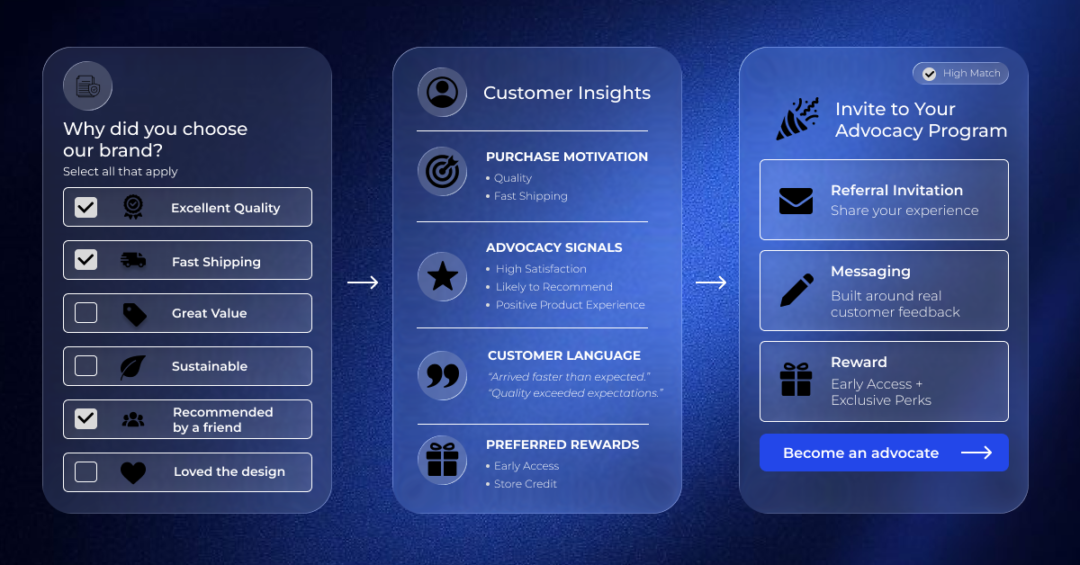
Customer insight helps you build advocacy programs that reflect how people actually discover, evaluate, and recommend your brand. That alignment increases participation, strengthens referral quality, and gives you a more reliable source of customer-led growth.
4 post-purchase signals that matter for advocacy
The strongest post-purchase surveys reveal who is likely to influence future buyers.
Rather than focusing on individual comments, look for patterns across your responses. Customers who consistently describe their experience in similar ways often share the same advocacy traits. Those signals make it easier to identify who should receive an invitation to your referral or affiliate program.
Look for these advocacy signals in your post-purchase survey responses:
1. Willingness to recommend your brand
A recommendation carries more weight than a high satisfaction score because customers attach their own credibility to it. Ask customers who they would recommend your product to and why.
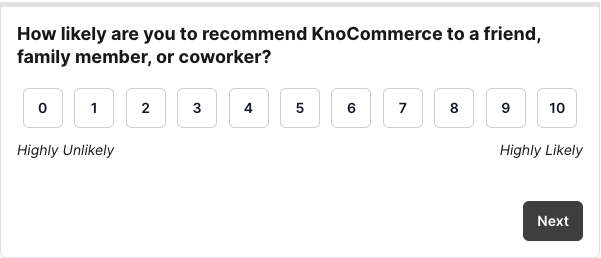
Their answers reveal whether they see a clear value proposition worth sharing. They also show you which product benefits customers naturally repeat, giving you messaging that comes directly from customer language instead of marketing copy.
When the same themes appear repeatedly, you get a clear picture of what consistently drives word of mouth.
2. Strong emotional buying motivations
Advocates rarely talk about product features. They talk about outcomes.
Pay attention when customers explain how your product simplified a routine, solved a long-standing frustration, or gave them confidence in a purchase decision.
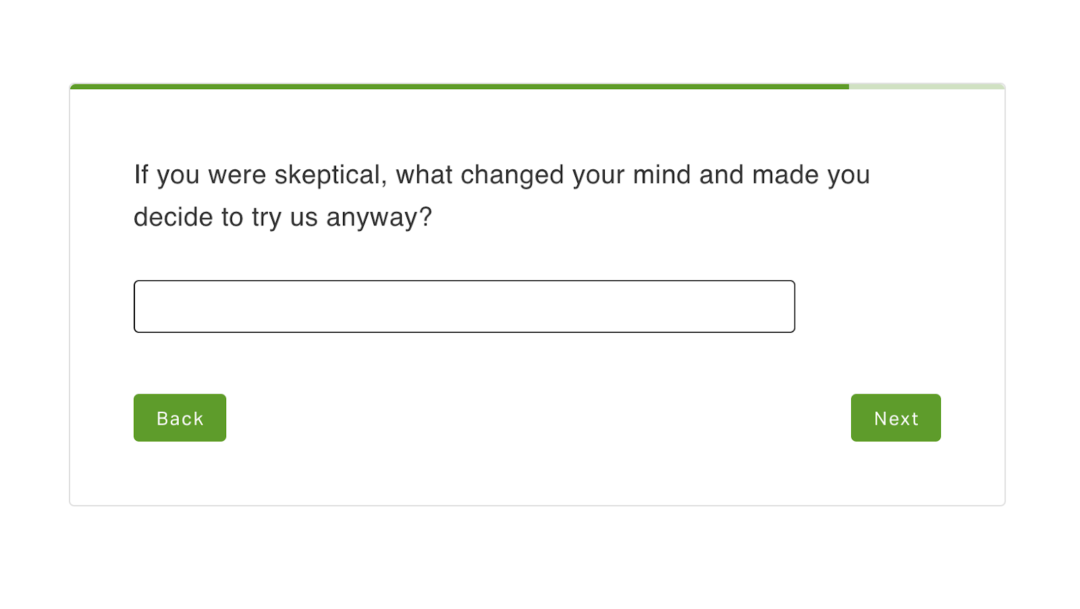
Those responses reveal the moments customers remember after the transaction, and those same moments often become the stories they share with friends, family, and online communities.
This will let you identify the buying moments that consistently reduce hesitation and drive conversions.
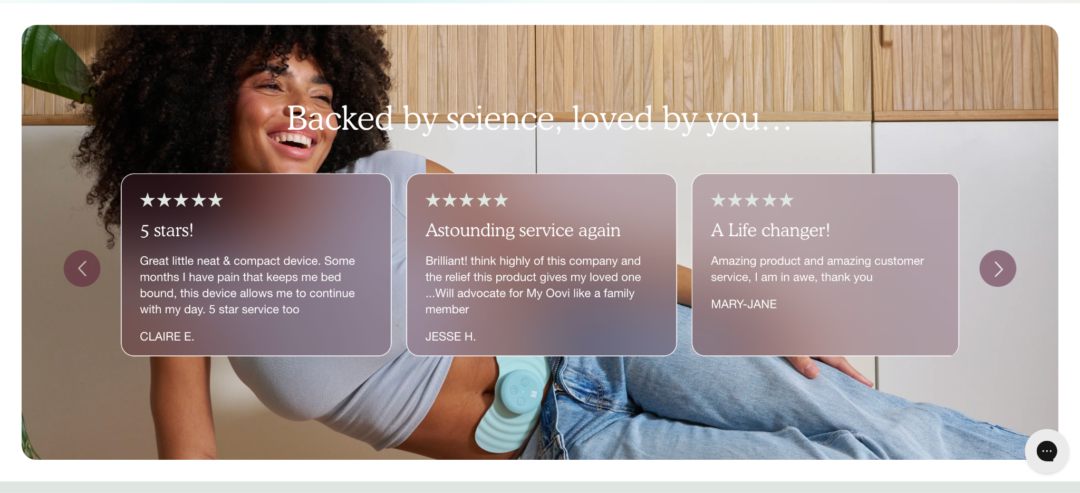
3. Thoughtful customer feedback
The quality of a response often reflects the depth of a customer’s engagement.
Customers who explain what they compared, what almost stopped them from buying, and what ultimately earned their trust provide far richer signals than someone who leaves a one-line review.
Their responses reveal how they evaluated your brand, which objections they overcame, and what finally convinced them to purchase.
4. Recurring trust-building themes
When the same reasons appear across hundreds of responses, you’ve found the experiences that consistently build confidence.
Customers may repeatedly mention your educational content, return policy, customer support, product quality, shipping experience, or ease of use. These recurring themes highlight what earns trust.
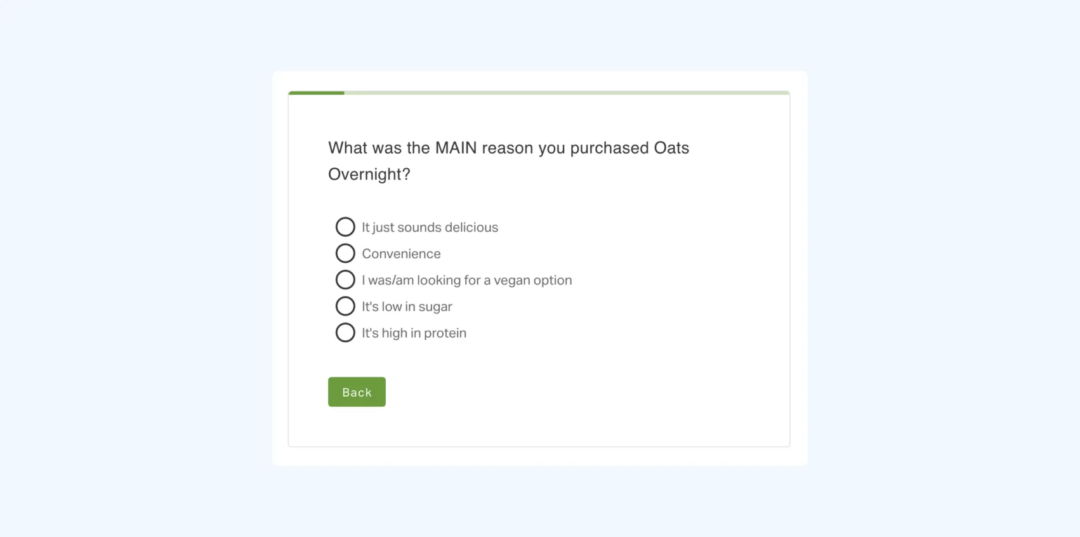
As you collect more post-purchase survey responses, these signals become easier to spot. Instead of viewing customer feedback as individual comments, you start building a profile of the customers who naturally influence others.
Those customers become your strongest candidates for referral programs, creator partnerships, and customer-led growth initiatives, which is where post-purchase insights begin creating value beyond the original sale.
What brands can do with those insights
Identifying advocacy signals is only the first step. The real value comes from acting on them while customers are still excited about their purchase.
Post-purchase feedback gives you the context to make smarter referral and affiliate decisions. Instead of treating every customer the same, you can tailor your outreach based on what customers shared about their experience.
Your post-purchase survey responses help answer four important questions:
- Who should you invite? Prioritize customers who express a willingness to recommend your brand, leave thoughtful feedback, purchase repeatedly, or describe meaningful outcomes from using your product. These customers have already demonstrated the behavior that leads to referrals and affiliate creator success.
- When should you invite them? Reach out while the experience is still fresh. A positive survey response, a repeat purchase, a five-star review, or successful product use creates a natural opportunity to invite customers into an advocacy program when their enthusiasm is highest.
- What should you ask them to do? Match the request to the customer’s relationship with your brand. Some customers are happy to refer friends, while others prefer writing reviews, creating user-generated content, or joining an affiliate program. Their feedback often reveals the type of participation they’re most likely to embrace.
- What incentive is most likely to resonate? Customers value different rewards. Some respond to commissions or store credit, while others appreciate exclusive access, product launches, or community recognition.
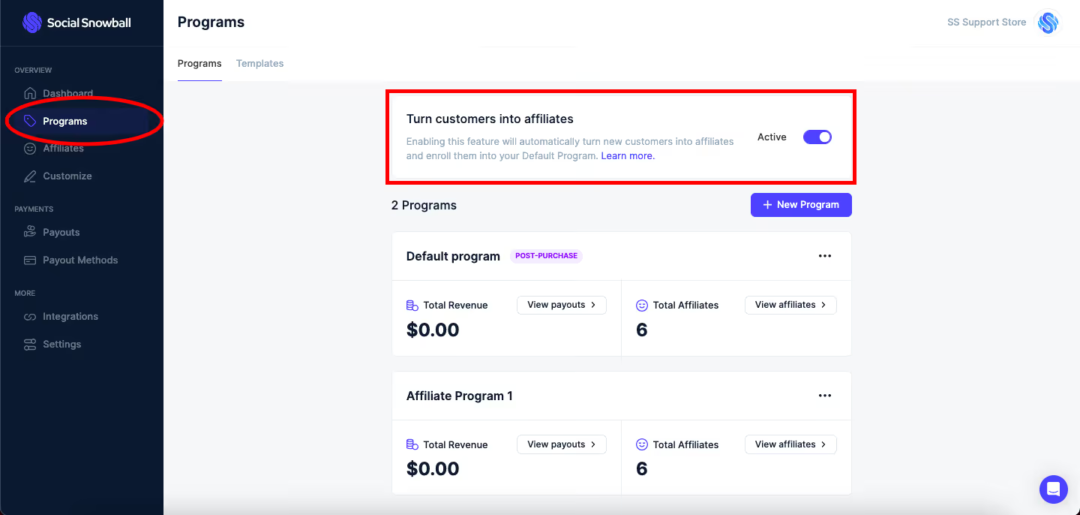
Platforms like Social Snowball make it easy to turn these insights into action. Once you’ve identified your strongest advocates, you can automatically invite them into referral or affiliate programs, personalize rewards, and manage the entire experience from one place.
Instead of treating advocacy as a campaign you launch after the sale, build it into the customer journey from the moment you understand why someone bought.
Turn post-purchase feedback into a customer-led growth loop
Every purchase creates two opportunities: to learn from your customers and to grow through them.
Post-purchase surveys reveal why customers bought, what earned their trust, and which customers are most likely to recommend your brand. Referral and affiliate programs turn those insights into action by giving your strongest advocates a simple way to share your products with others.
That’s where KnoCommerce and Social Snowball work together.
KnoCommerce helps you uncover the motivations, objections, and advocacy signals hidden inside post-purchase survey responses. Social Snowball helps you activate those insights by identifying high-potential advocates, inviting them into referral or affiliate programs, and managing the customer journey as they begin driving new purchases.
Ready to turn post-purchase insights into referrals, affiliates, and customer-led growth? Book a demo with Social Snowball.